Engineering Period A
5/15/17
 The future of cars is very bright. As we all got a taste of the first full electric vehicle presented by Tesla a few years ago. In a recent interview with Paul McNamara, technical director of Williams Advanced Engineering he shared his thoughts on the future of the vehicles that will be put on the road. The first thing he recognized is the switch to electrification, a specialism that emerged from the racing team’s development of its own electric motor, battery and control system, and one that is becoming increasingly relevant to the world beyond the race track. If you look at the way automotive powertrains will be, it seems there will be some internal combustion engines, but there will also be hybrids, pure electric vehicles and some sort of fuel cell. Three of those categories involve some sort of battery and control system. Paul McNamara has worked around sports cars seemingly his whole life and now sports cars are turning to electric, the first of which that jumps out to me is the BMW i8.
 The next key capability Paul McNamara spotlights is aerodynamics and thermodynamics, another area of expertise refined on the racetrack that’s becoming increasingly relevant to the wider world. “Energy… is a scarcer resource in a battery car,” he said. If cars are more aerodynamic that’s going to help in the age of battery cars. A key resource is WAE’s (two state-of-the-art wind tunnels), which are increasingly being used to test concepts and refine designs for applications away from the racetrack. For instance, Paul McNamara's facility was used to help develop the handling and improve the aerodynamic performance of Nissan’s futuristic electric concept vehicle called the Blade Glider.
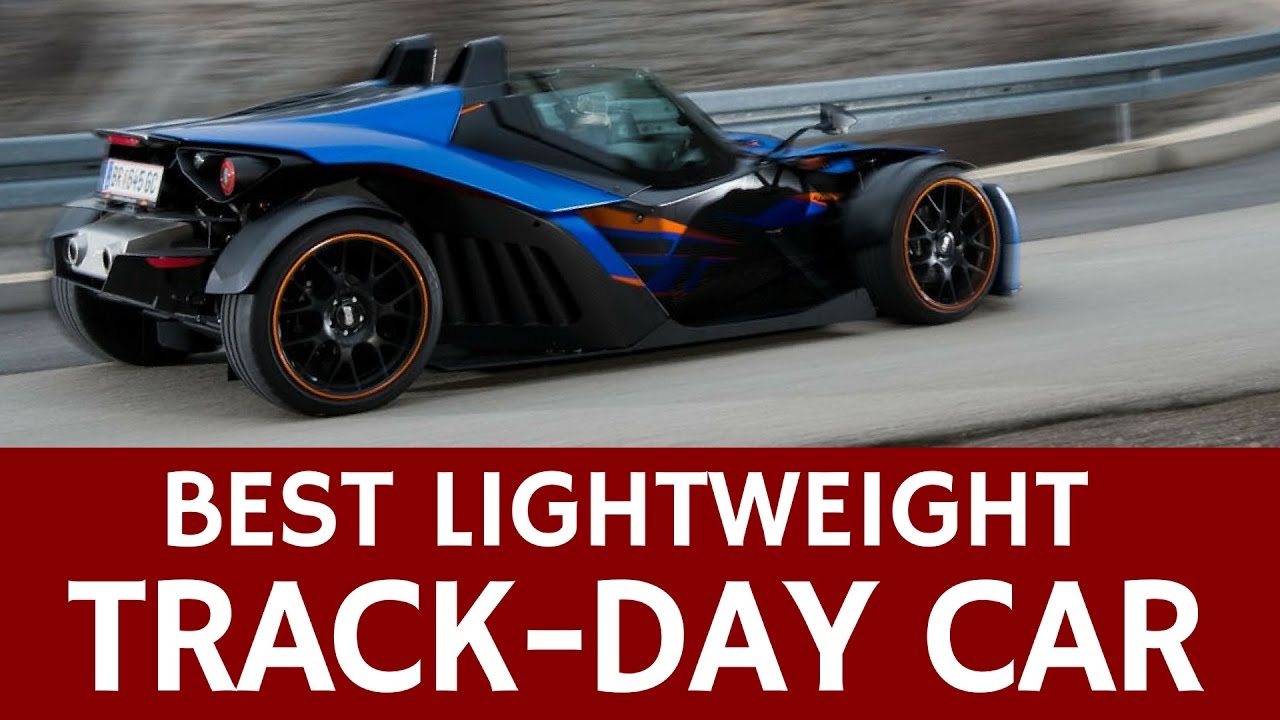

The third key area of specialization is light weighting. An increasingly important area for the wider industry, and a discipline through its motorsport heritage, is something of a world leader. But while WAE’s track-inspired expertise in making stuff out of carbon fibre has obvious applications in the automotive sector, it’s also leading to unexpected gains elsewhere. For instance, in one recent project, a group at Paul McNamara's facility used its knowledge in this area to develop the Baby Pod, a lightweight crash-proof carbon-fibre pod designed for transporting babies from one hospital to another. Overall, the future of cars is so beyond what we have seen so far. It is exciting to see the progression being made and what is to come in the near future. Through reading this article it reminded me how cars and airplanes design have overlapping similarities, as we factored into our design for our airplane in class.

No comments:
Post a Comment