
L=CL V2 rho/2 S
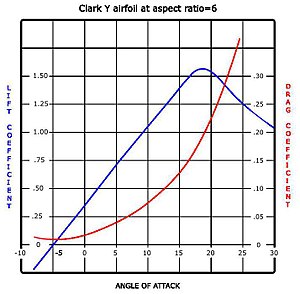
Where L is lift, C is the coefficient of lift (which is based on airfoil shape and is directly proportional to the AOA), V is velocity, rho is air density (which for our specific project can be seen as a constant), S is surface area of the wing.

Example of airfoils found in nature and in the world
Elliptical Wing - Very efficient LD, but the whole wing stalls simultaneously (could cause random failure with no pilot).
Rectangular Wing - Similar efficiency to elliptical wing, easier to build, stalls less harshly.
Tapered Wing - Produces less drag than rectangular wing. If primary concern is speed, tapered wing is better than rectangular. With no washout it may cause stalls.
Swept-Forward Wing- Increased maneuverability. Prevents stalling of ailerons and wingtips, stalls in the wing root.
Washout- Built into wings by slightly twisting root and tip. Helps with stalls (gives the root a larger angle of attack which makes it stall before the tips allowing for correction).

No comments:
Post a Comment