Reverse Engineering in Cybersecurity
Though Reverse engineering is rather common in all fields of engineering, most of what I know about it is in Computer Security Engineering and Network Security, because it's a field that I happen to have a great deal of interest in.
What is Reverse Engineering?
Reverse engineering, in the field of computer security, is a rather important concept. It is applying the engineering mindset of understanding how something works, and building exploits or tools to work around it. In the field of cyber security, one may be tasked with reverse engineering something like a virus, and understanding the code behind it and how it works on a system. What changes does it make? What triggers it? What does each line of code do? People who reverse engineer are seeking to understand why something does or doesn't work, and what they can do to make it work in their own way.
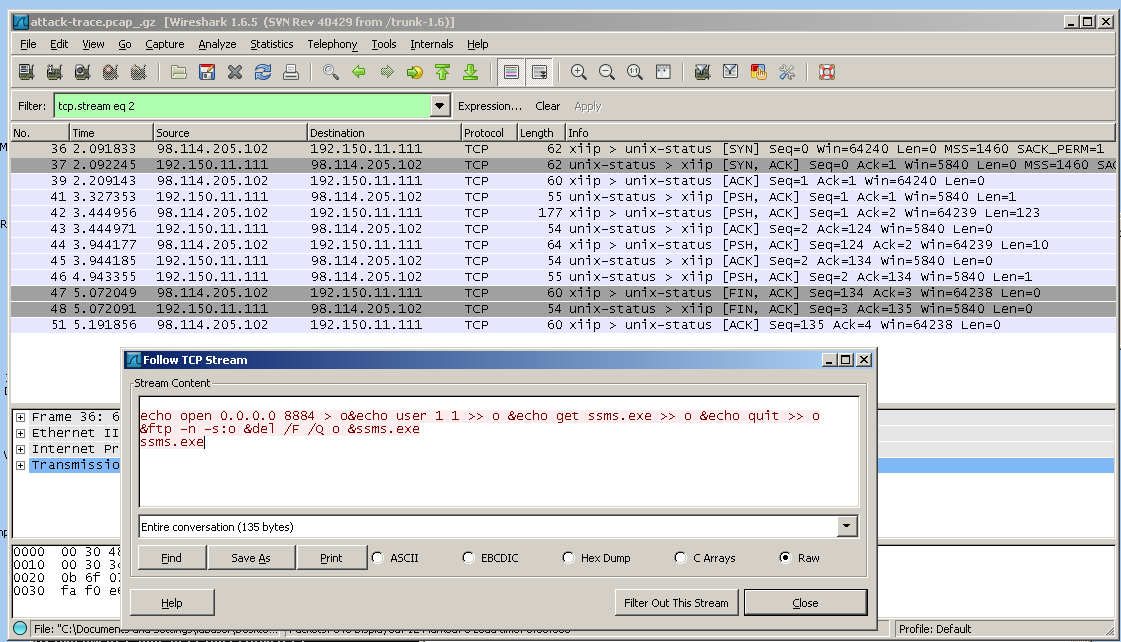 |
| Those who reverse engineer malware will frequently use this tool, wireshark, in order to view virus's network activity |
If I were to have the desire to reverse engineer, say, an anti-piracy system for a piece of software, and develop a "crack" for it (which is illegal, don't do it), I would need to understand what makes a valid version of that software work. Are there certain files that tell the program that a user has the legal right to use it? Are there specific statements or conditions in the software's code that some how verifies that you paid for it? How can you trick the program into thinking someone has the paid version, even if they don't?
 |
| "Dirty Cow" allowed for the tainting of a file, which spread to the rest of a system |
 |
| It pays to be a reverse engineer for Google! |
A perfect example of reverse engineering was in the early days of graphical PC gaming, in which developers were gaining access to better graphics and higher quality images for video games. The problem was, user's aging hardware could not always support these advancements in technology. It seemed like the only solution for a while was to keep buying better parts. That was, until, "overclocking" became more popular. This is when one uses a piece of software to force hardware to run a bit faster than factory intended. This was originally developed by the company "AMD" in 1983. As one can imagine, computers in 1983 were quite slow, so anything that could make them faster was a welcomed change. Though it was possible in 1983, it didn't really become popular until 10 years ago or so, as gaming became more popular. The act of reverse engineering early computers gave us overclocking, which eventually, lead to faster computers and the overall digitization of the modern world.
Reverse engineering, like most forms of engineering, can be used for good or evil. Some reverse engineers will go on to develop "cracks" for expensive software, so that they can use it for free. Others, will go on to find flaws in the systems of Google, and help make the internet a more secure place. Some will go on to do both. However, whatever one may chose, it is important to realize that reverse engineering, especially in the fields of Computer Science and cyber security, is a fundamental aspect of the science, and without it, we would not have many of the innovations that we have today, such as anti-virus programs and faster computers. Reverse engineers push the envelop, even when others believe that there is nothing else to do.

No comments:
Post a Comment