Engineering .1-Period A
From Ancient Fossils to Future Cars!
Source: University of California / sciencedaily.com
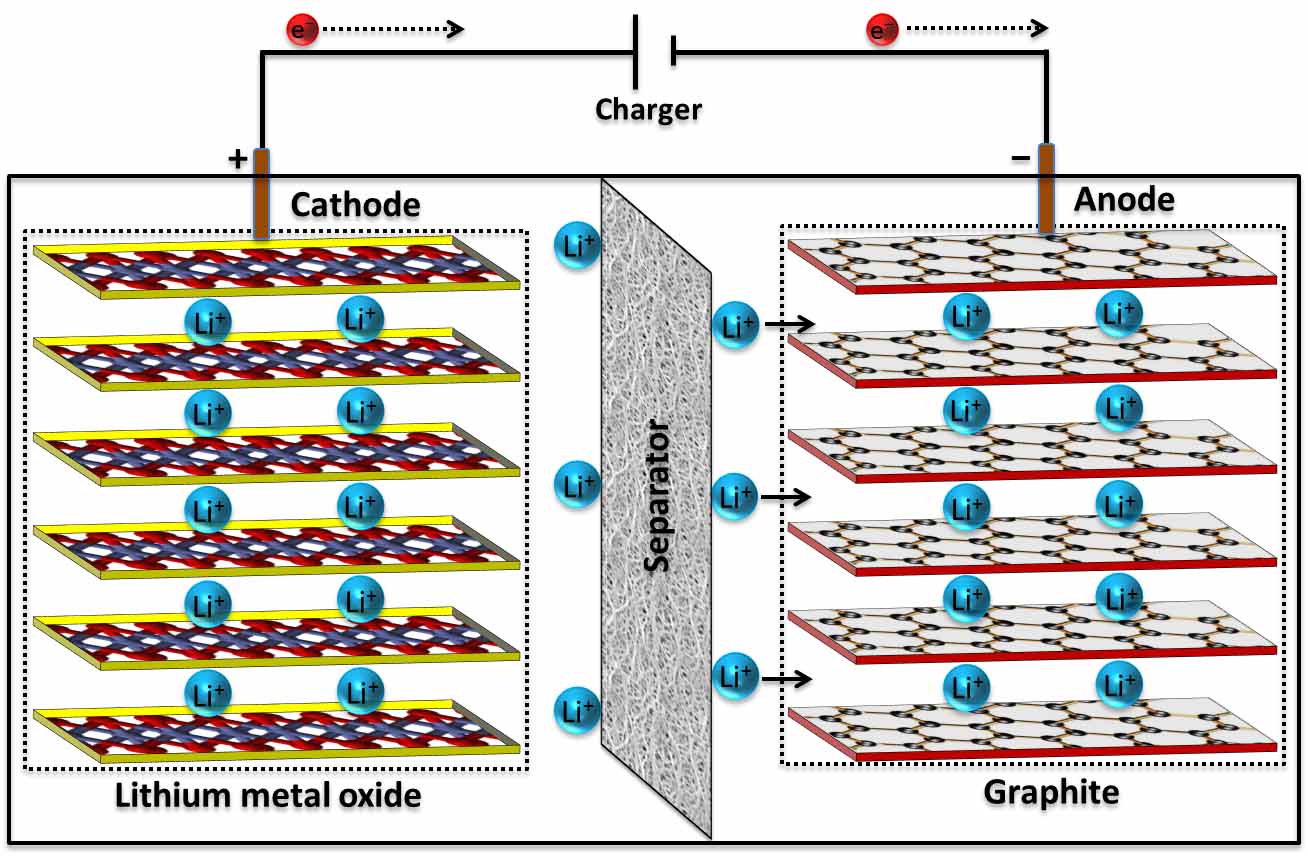
A recent post on Sciencedaily.com discusses how researchers at the University of California have developed a way to make an inexpensive silicon-based anode for lithium-ion batteries from fossilized remains of single celled algae called diatoms. An anode is a positively charged electrode by which electrons leave a device. The lithium-ion batteries can be found in many things these days such as, laptops, cell phones, Ipods, as well as electric vehicles. The lithium-ion battery has many parts, an anode, cathode and an electrolyte made of lithium salt. The article goes on to discuss how most anodes are made of graphite, despite it being a performance limiting factor. Silicon is an alternative anode material and is able to store 10 times more energy, yet when produced traditionally it is very expensive. The team of researches at the University of California, used a less expensive form of silicon, called diatomaceous earth (DE), that is composed of fossilized remains of diatoms. The group then turned this low quality silicon into pure silicon nano-particles.


No comments:
Post a Comment